You’ll see both words on the same calendar, often for events that look alike from the parking lot. But a fair and a festival have genuinely different roots — and knowing which is which tells you what kind of day you’re in for.
A Fair Grows Out of Agriculture
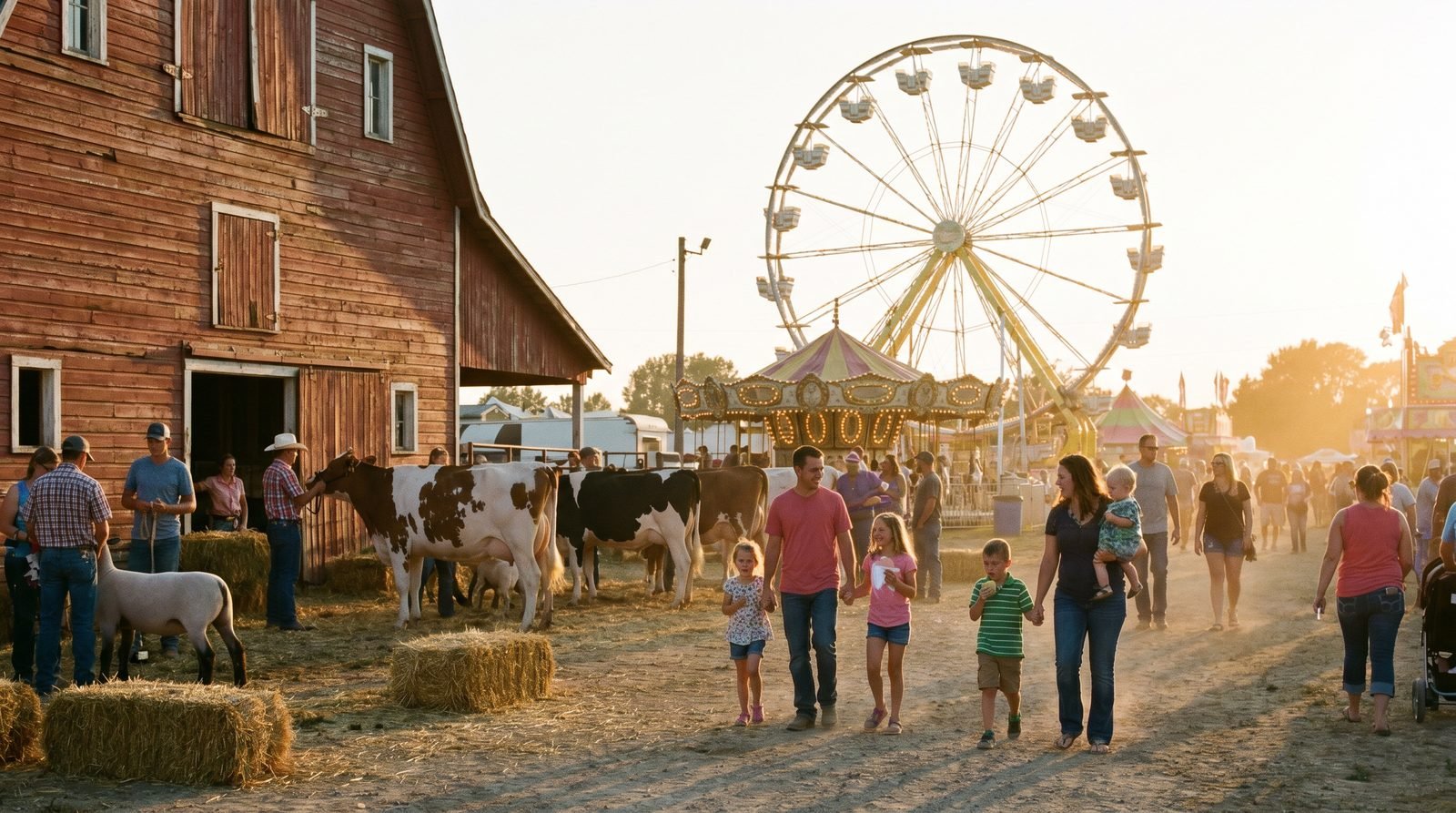
A fair, in the American tradition, descends from the agricultural fair: a gathering where farmers showed livestock and crops, competed for premiums, and shared the latest methods. That DNA is still visible. A classic county or state fair has livestock barns, judged competitions (everything from prize steers to blue-ribbon pies), a midway of carnival rides, and food booths — usually running several days and organized by an agricultural society, county, or state.
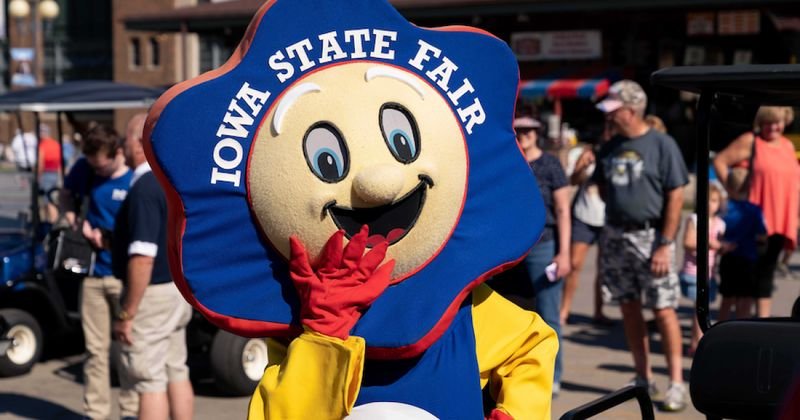
The Iowa State Fair is the platonic ideal: butter sculptures, a giant boar, 4-H kids leading dairy cows, a grandstand, and a midway, all on one enormous fairground.
A Festival Celebrates a Theme
A festival is organized around a thing to celebrate — a food (garlic, oysters, lobster), a season (harvest, pumpkins, autumn leaves), a culture or heritage, the arts, or music. It doesn’t need livestock or a midway. Festivals are often single-day or single-weekend, can be free, and are run by towns, nonprofits, chambers of commerce, or cultural groups rather than agricultural boards.
County Fair vs. State Fair
Among fairs, there’s a second distinction. A county fair serves a single county, runs a few days, and is the more intimate, local experience — 4-H ribbons, the volunteer fire department’s food booth, neighbors you recognize. A state fair is the championship round: the best from across the whole state, plus big-name grandstand entertainment, a far larger midway, and attendance that can run into the millions.
Frequently asked questions
Is a county fair the same as a state fair?
No. A county fair serves one county and runs a few days with a local, community feel. A state fair gathers the best exhibitors from across an entire state, is much larger, and often features major grandstand concerts and a far bigger midway.
What makes something a festival instead of a fair?
A festival is built around celebrating a specific theme — a food, a season, a culture, the arts, or music — and usually has no judged livestock or permanent midway. Fairs descend from agricultural exhibitions and center on competition, livestock, and a carnival.
Are fairs or festivals free to attend?
Most agricultural fairs charge admission (commonly $10–$15 for adults), which covers the grounds and exhibits; rides and food are extra. Many festivals are free to enter, charging only for food, drink, and activities — though large music or food festivals can be ticketed.
When is fair and festival season in the U.S.?
It runs all year, but agricultural fairs peak from late summer into October, timed to the harvest. Festivals happen in every season — spring blossom festivals, summer food and music festivals, fall harvest celebrations, and winter holiday events.
Whichever you’re after, you can browse both on Festivals & Fairs USA — filter by type, state, and date to find exactly the kind of day you want.