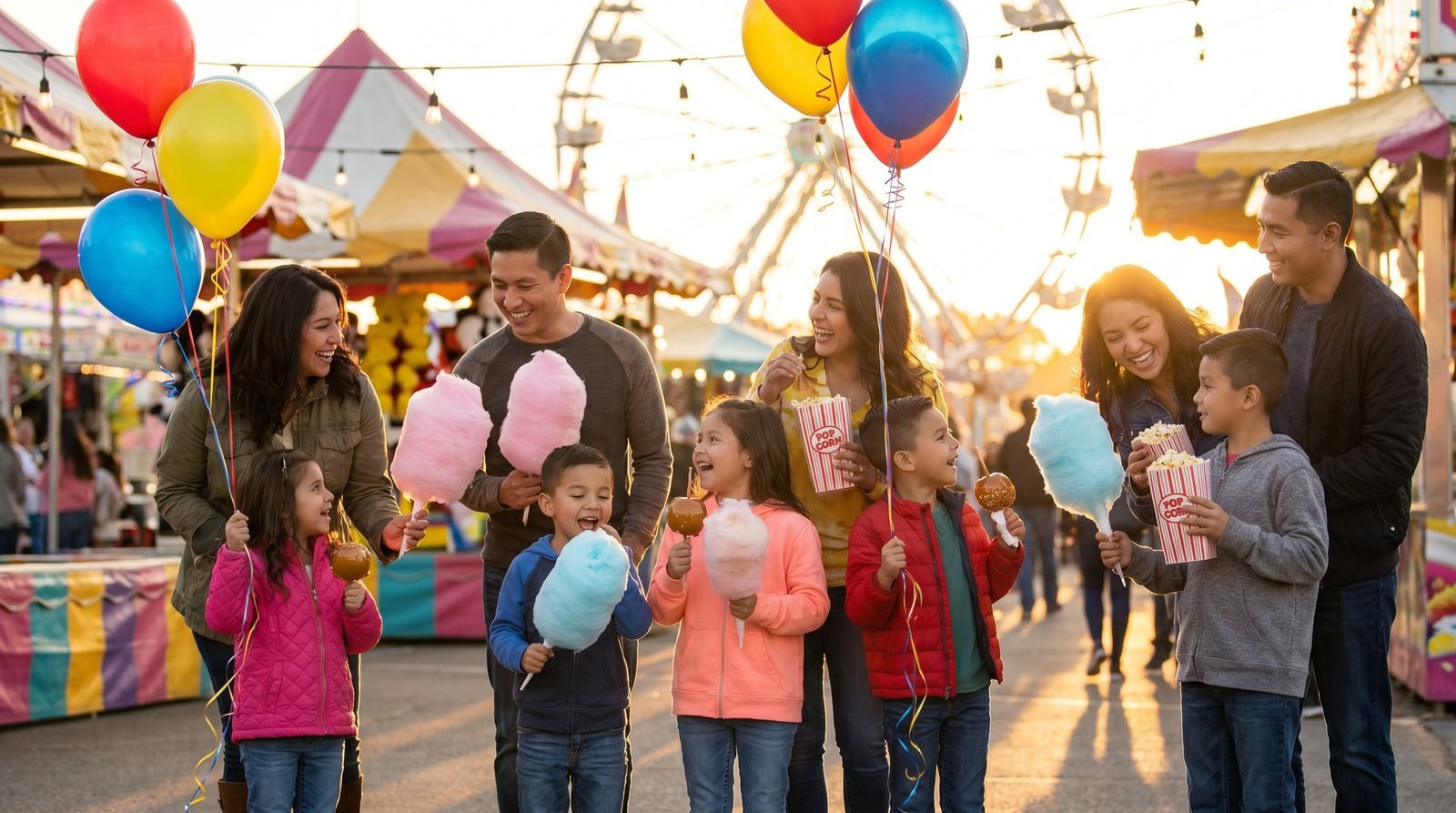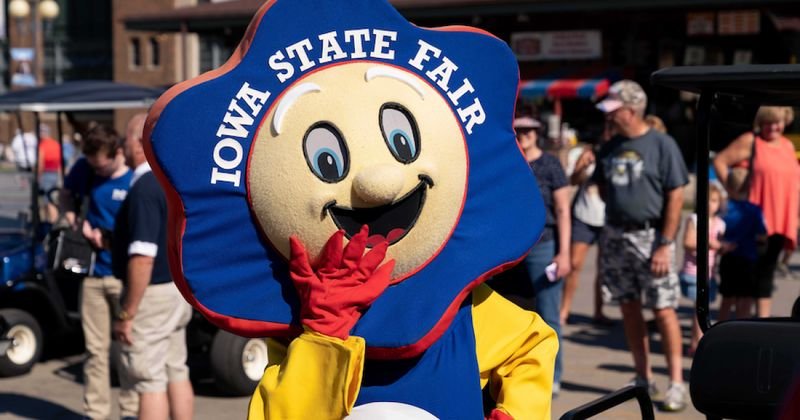
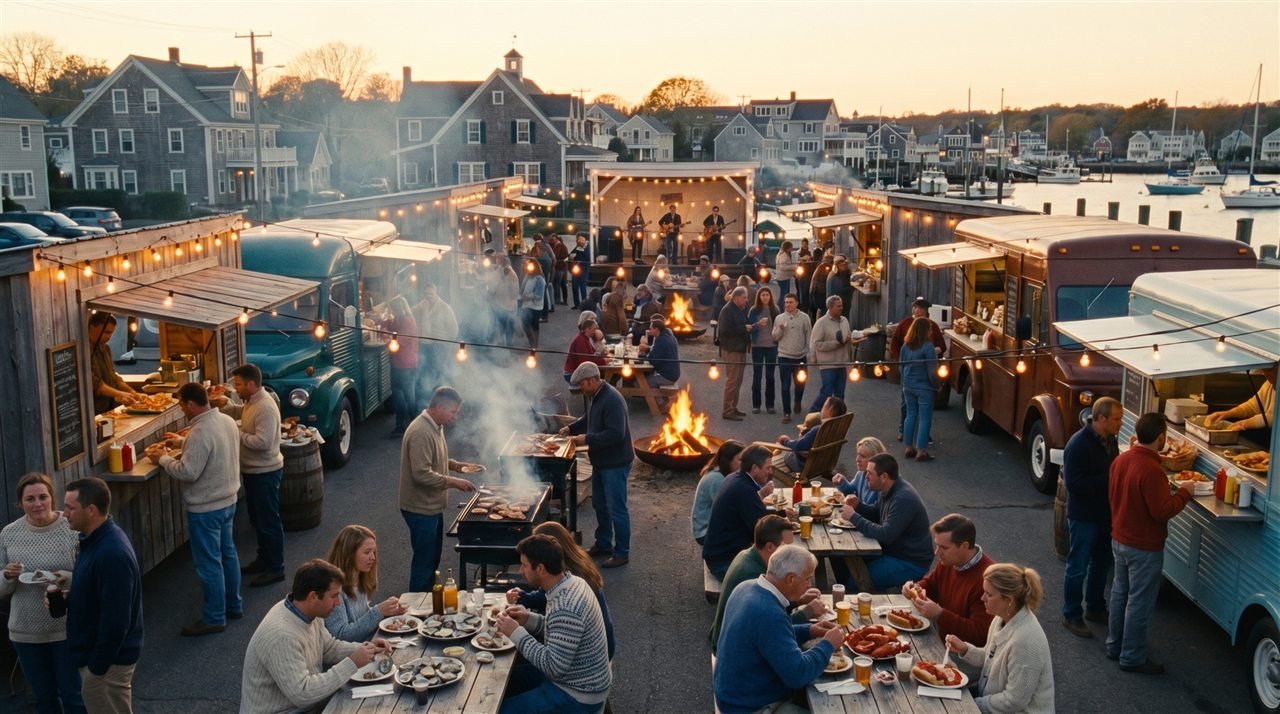
For two centuries the American fair has been a food laboratory. The mix of huge crowds, vendors competing for attention, and a captive audience looking for something new and portable turned fairgrounds into the birthplace of some of the country’s most beloved (and least healthy) foods.
Cotton Candy — invented by a dentist
The most delicious irony in fair-food history: cotton candy was co-invented in 1897 by a dentist, William Morrison, together with candy maker John C. Wharton. Their machine spun melted sugar into fine threads they called “Fairy Floss.” It found its enormous audience at the 1904 St. Louis World’s Fair, where they sold tens of thousands of boxes. The name “cotton candy” took over decades later.
The Corn Dog — a Texas institution
Sausage baked in dough is old, but the deep-fried, batter-dipped hot dog on a stick — the modern corn dog — was popularized by brothers Carl and Neil Fletcher at the State Fair of Texas in 1942. Fletcher’s Corny Dogs are still sold there today, and the fair has never stopped pushing the form: its annual Big Tex Choice Awards crown the most outrageous fried inventions of each year.
The Ice Cream Cone — born of a shortage
As legend has it, an ice cream vendor at the 1904 St. Louis World’s Fair ran out of dishes. A neighboring Syrian waffle vendor, Ernest Hamwi, rolled his thin waffles into cones to hold the scoops — and the modern ice cream cone was born. Several vendors claimed the idea, which is fitting: the fair was exactly the kind of crowded, improvisational place where a happy accident becomes an institution.
Next time you’re handed a corn dog or a paper cone of cotton candy, you’re holding a piece of American fair history. Find a fair near you and taste the tradition for yourself.