Strip away the rides and the food, and the American fair is a collection of gloriously specific traditions — rituals that would seem bizarre anywhere else but feel exactly right on a fairground. Here are four of the best, and how they started.
The Butter Cow 🧈
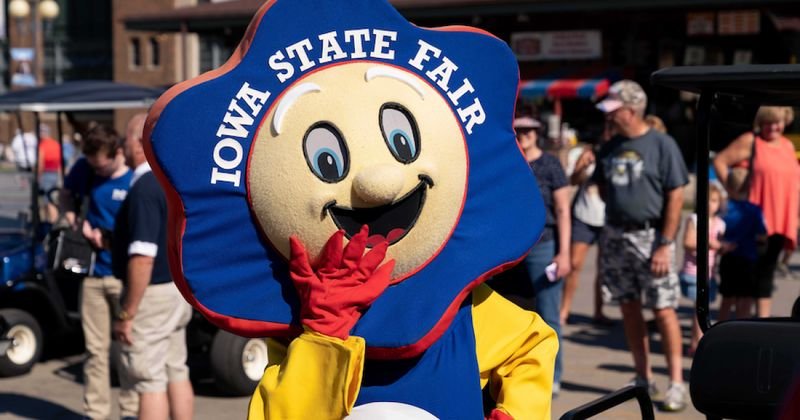
Since 1911, the Iowa State Fair has displayed a life-size dairy cow sculpted from roughly 600 pounds of butter, kept in a refrigerated glass case. What began as dairy-industry promotion became a beloved icon, copied across the Midwest — the Ohio State Fair has sculpted a butter cow and calf since 1903. Generations now measure their fair visit by a trip to see the butter.
The Demolition Derby 🏎️
Around the 1950s, county fairs discovered that deliberately crashing junk cars into one another until only one still ran made for thrilling, deafening, perfectly rural entertainment. The demolition derby became a grandstand staple, drawing crowds who’d never set foot in the livestock barn — and saving more than a few fairs’ budgets in the process.
The Blue Ribbon 🎀
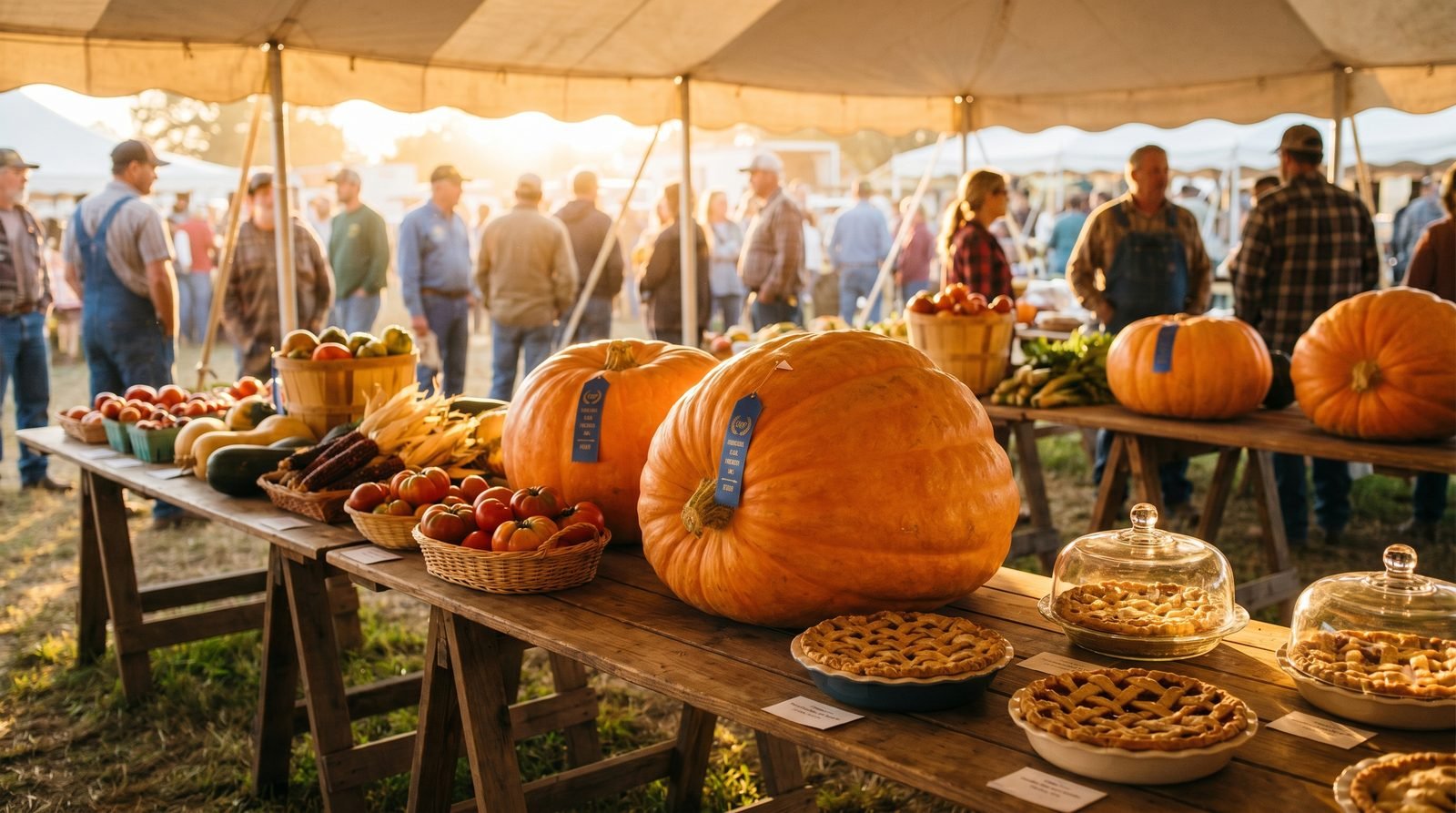
The whole point of the earliest fairs was competition, and the blue ribbon — awarded for first prize in livestock, baking, canning, and crafts — dates to early-19th-century American agricultural fairs. It long ago escaped the fairground to become the universal shorthand for “best in show.” Win one for your pie or your prize steer and you’ve joined a 200-year-old tradition.
Fairground Camping ⛺
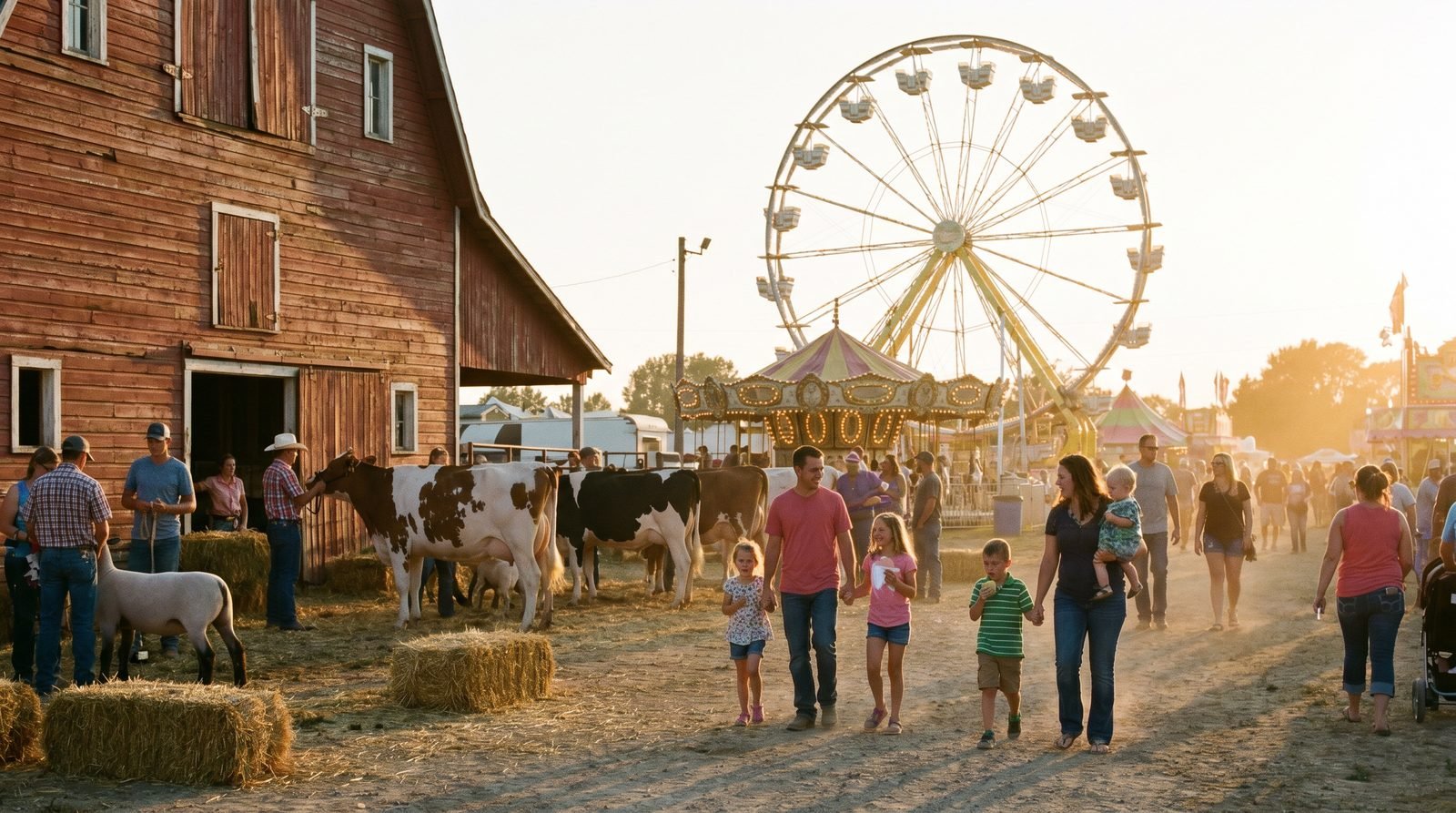
Modern music festivals didn’t invent festival camping. At early agricultural fairs, when travel was slow, farm families would camp on the fairgrounds for the whole week, sleeping in their wagons. The fair was a destination you stayed at — a tradition that lives on at multi-day fairs and, in a very different form, at today’s mega-festivals.
These traditions are exactly why a fair feels timeless. Find one near you and go make your own.